
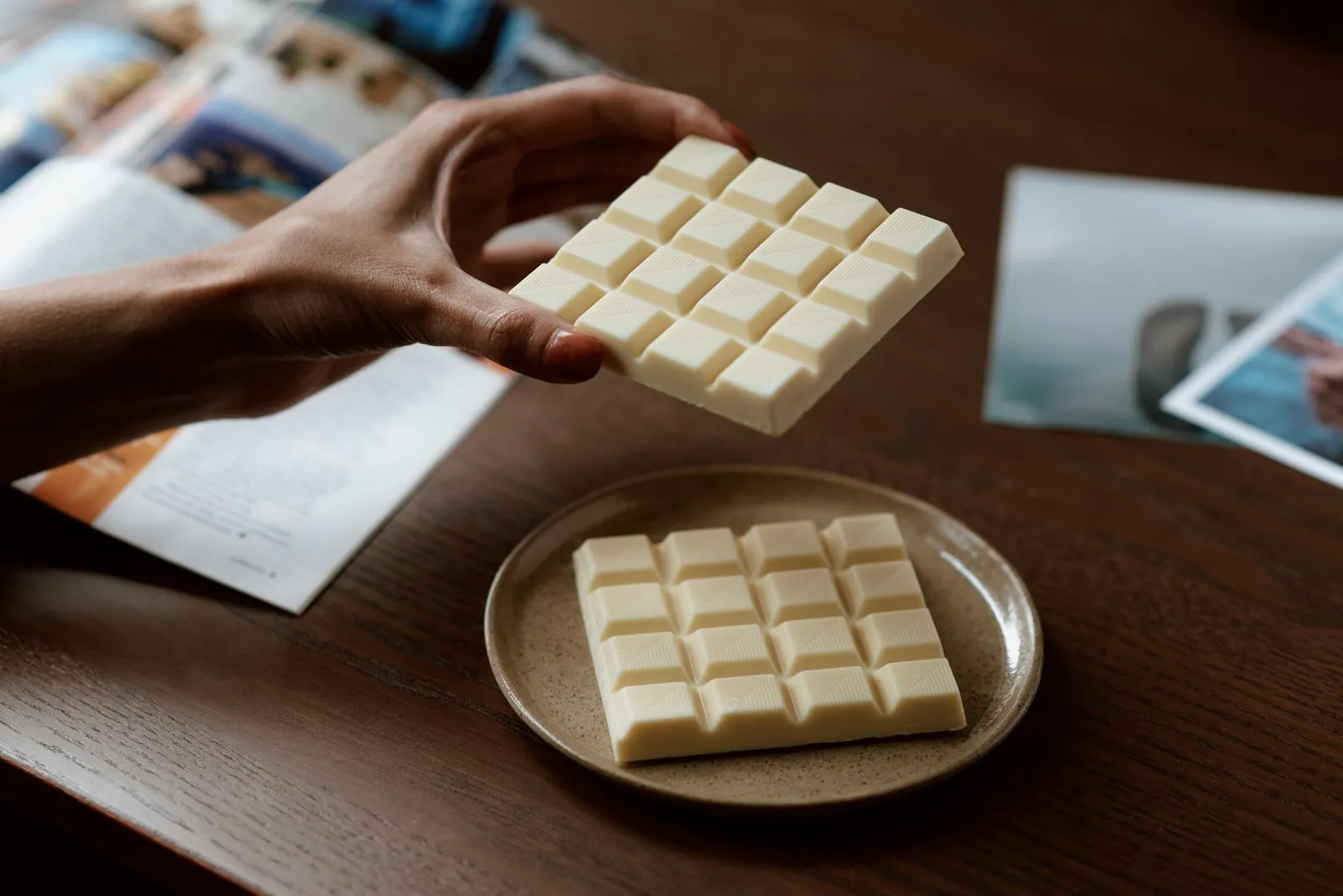
Chocolate’s aroma and texture can change when it faces heat, moisture, light, or strong odors. A cool, stable cupboard is usually a better choice than a refrigerator, while careful wrapping helps shield chocolate from its surroundings. Storage matters especially for single-origin bars, whose distinct flavors are part of the experience. With a few practical steps, you can keep chocolate in good condition at home and serve it when its aroma and texture are most enjoyable.
Choose a cool, steady spot
Store chocolate in a cool place away from ovens, sunny windows, radiators, and other heat sources. Avoid locations that warm and cool repeatedly, such as a shelf above a stove. Temperature swings can soften chocolate and encourage cocoa butter to rise to the surface, creating a pale, streaky coating called bloom. Bloom can affect appearance and texture, though it does not necessarily mean the chocolate is unsafe to eat.
A cupboard or pantry works well if it stays cool and dry. Keep chocolate in its original wrapper, then place it in a closed container if the area has strong food or household odors. Chocolate can absorb nearby smells, so keep it away from spices, coffee grounds, cleaning products, and anything with a noticeable scent.
Keep moisture out
Humidity and direct contact with water can damage chocolate’s surface. Moisture may dissolve sugar on the outside; when the surface dries, the sugar can recrystallize into a rough, pale layer. Keep bars sealed, and use clean, dry hands or utensils when handling them. Avoid storing chocolate near a sink, dishwasher, or other damp area.
If refrigeration is necessary because your home is unusually warm, wrap the chocolate tightly in its original packaging or an airtight bag, then place it in a sealed container. This limits moisture and odors. Before opening it, let the wrapped chocolate return to room temperature. Opening cold chocolate too soon can cause condensation to form on its surface.
Use protective packaging
The original wrapper often provides a useful first layer of protection from air and light. After opening a bar, fold the wrapper snugly around the remaining chocolate and place it in an airtight container. If the original packaging no longer closes securely, use a clean, odor-free wrap or container that fits without crushing the bar.
Keep chocolate out of direct light, including strong sunlight and bright display areas. Light and air can gradually dull delicate aromas and flavors. Label opened packages with the date if you keep several bars on hand, and follow any storage guidance provided by the maker. Different chocolate styles and fillings may have different storage needs.
Serve it at its best
For the fullest aroma, allow chocolate to lose its chill before serving. Take it out of its storage spot while it is still wrapped, and let it approach room temperature before unwrapping. This reduces the chance of condensation and gives the aroma time to become more noticeable. Avoid leaving it in a warm room for an extended period, where it could soften.
Break or cut the chocolate into small pieces and pause before tasting. Let a piece rest on your tongue so it can soften gradually; notice its aroma, texture, and how the flavor develops. If the chocolate feels waxy or lacks aroma, check whether it was stored near heat or strong odors. Adjusting its storage location can help protect future bars.
For better flavor, keep chocolate sealed in a cool, dry, odor-free place with a stable temperature. Refrigerate only when heat makes it necessary, and let wrapped chocolate warm before opening. These habits help preserve each bar’s aroma and texture. If you’re choosing a bar to enjoy at home, Durham Cacao House can help you explore single-origin chocolate.